



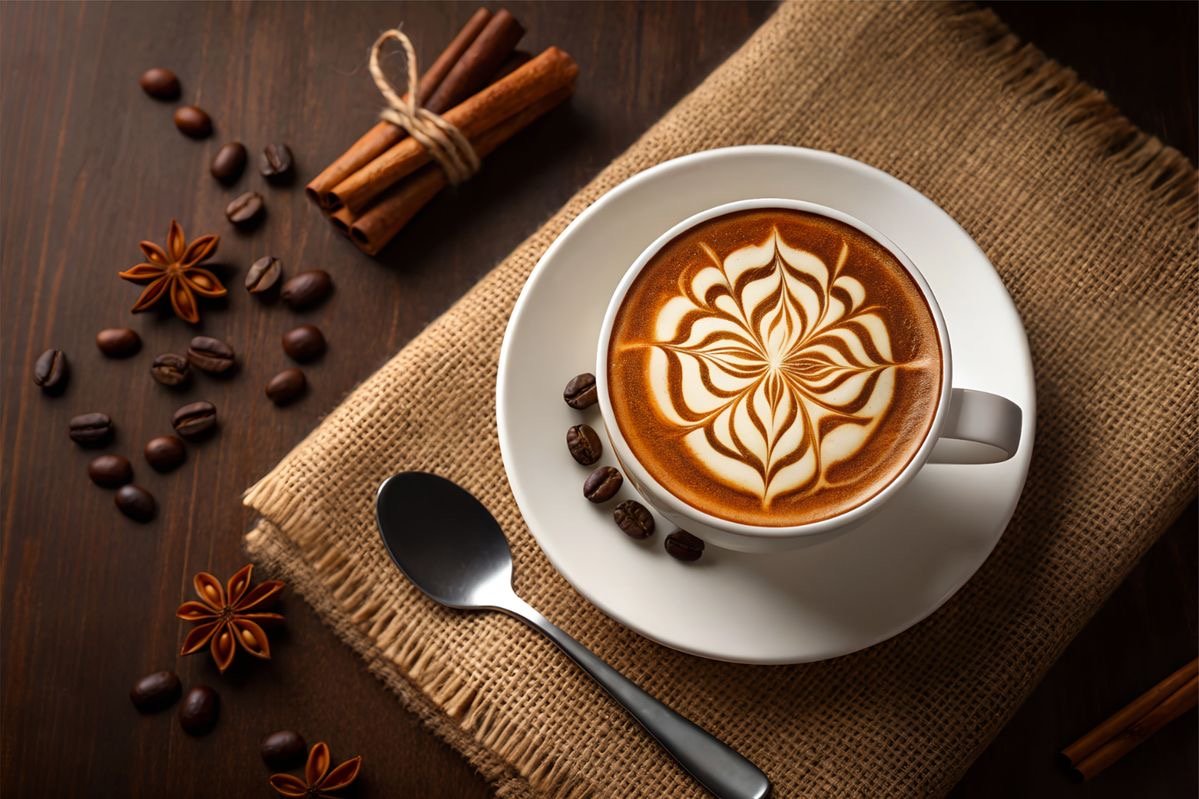
Understanding Coffee Labels: Why They Matter
Coffee labels are more than attractive packaging. They tell the story of where your coffee comes from, how it was produced, and what flavors you can expect in your cup. Understanding coffee labels can help you make informed choices and appreciate the craftsmanship behind every bag of coffee.
Many consumers see terms such as single origin, blend, and specialty coffee and assume they all mean the same thing. In reality, each label represents a different approach to sourcing, roasting, and enjoying coffee. By understanding coffee labels, you can confidently select coffees that match your taste preferences and brewing style.
Table of Contents
- Why Understanding Coffee Labels Is Important
- What Is Single Origin Coffee?
- What Are Coffee Blends?
- What Is Specialty Coffee?
- Key Differences Between Coffee Labels
- How to Choose the Right Coffee
- Final Thoughts on Understanding Coffee Labels
What Is Single Origin Coffee?
Single origin coffee comes from one specific geographical location. It may originate from a single farm, a cooperative, or a particular region within a country.
The main purpose of single origin coffee is to showcase the distinctive characteristics of its place of origin. Factors such as soil, altitude, climate, and processing methods all influence the flavor profile.
For example:
- Ethiopian coffees often have floral and fruity notes.
- Colombian coffees are typically balanced with caramel sweetness.
- Kenyan coffees may feature bright acidity and berry-like flavors.
- Brazilian coffees often deliver nutty and chocolatey characteristics.
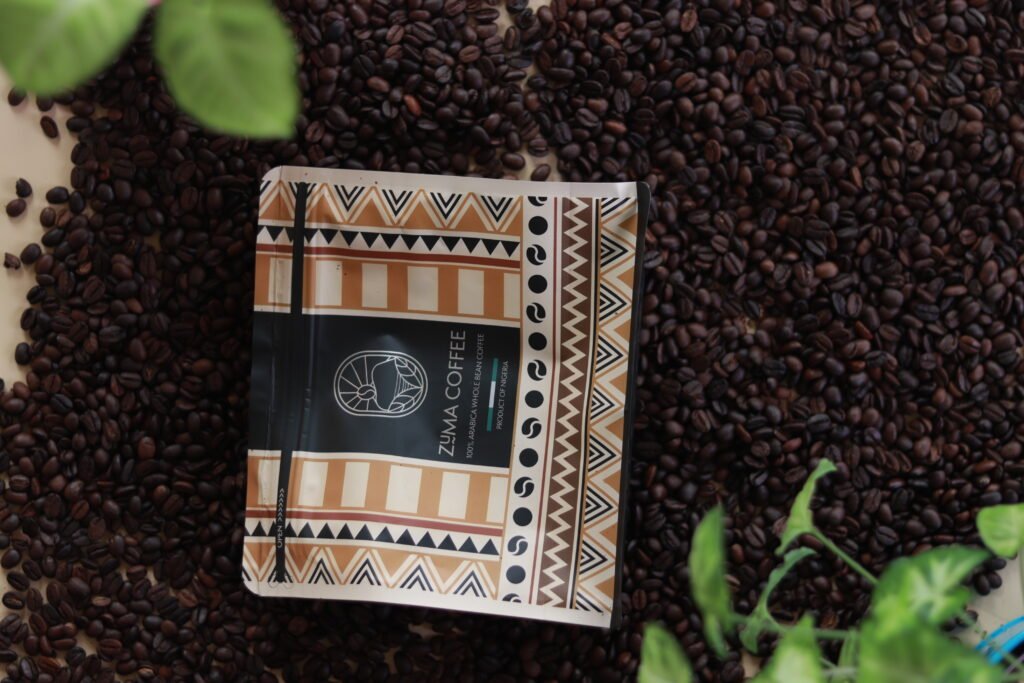
- Nigerian coffees particularly those grown on the Mambilla Plateau and other highland regions, often feature earthy, nutty, and cocoa-like notes. Emerging specialty Nigerian coffees are also beginning to reveal delicate fruity and floral characteristics, highlighting the country’s growing potential in the specialty coffee industry.
Coffee enthusiasts appreciate single origin coffee because it offers a unique tasting experience and provides traceability from farm to cup.

What Are Coffee Blends?
A coffee blend is created by combining beans from two or more origins. Roasters intentionally mix different coffees to produce a specific flavor profile and maintain consistency.
Blends are designed to create balance. One coffee may contribute sweetness, another may provide body, and another may add acidity. The result is a well-rounded and reliable cup of coffee.
Blends are especially popular in cafés because they:
- Deliver consistent flavor throughout the year
- Work exceptionally well for espresso beverages
- Pair beautifully with milk-based drinks
- Appeal to a wide range of coffee drinkers
For those who enjoy familiar flavors and dependable quality, coffee blends are often an excellent choice.
What Is Specialty Coffee?
Specialty coffee represents the highest standard of coffee quality. It refers to coffee that has been carefully cultivated, harvested, processed, roasted, and brewed to highlight exceptional flavors.
According to industry standards, specialty coffee is rigorously evaluated and scored by trained professionals. High-quality beans must demonstrate excellent aroma, sweetness, acidity, balance, and minimal defects.
Specialty coffee also emphasizes:
- Transparency in sourcing
- Sustainable farming practices
- Fair relationships with coffee producers
- Exceptional roasting and brewing methods
An important point in understanding coffee labels is recognizing that specialty coffee can be either single origin or a blend. What makes it special is its commitment to quality and craftsmanship.
Key Differences Between Single Origin, Blends, and Specialty Coffee
| Type | Source | Flavor Profile | Best For |
|---|---|---|---|
| Single Origin | One location or region | Distinct and unique | Exploring regional flavors |
| Blend | Multiple origins | Balanced and consistent | Everyday drinking and espresso |
| Specialty Coffee | High-quality coffee from any origin | Exceptional and complex | Premium coffee experiences |
Understanding coffee labels becomes easier when you see these categories as different experiences rather than competing products.
How to Choose the Right Coffee
The best coffee depends entirely on your preferences.
Choose single origin coffee if you:
- Enjoy discovering unique flavors
- Want to learn about different coffee-producing regions
- Appreciate traceability and storytelling
Choose blends if you:
- Prefer consistency
- Enjoy smooth, balanced flavors
- Drink espresso-based beverages regularly
Choose specialty coffee if you:
- Value exceptional quality
- Appreciate craftsmanship
- Want to explore coffee as a sensory experience
The more you practice understanding coffee labels, the easier it becomes to identify the coffees that suit your palate.
Final Thoughts on Understanding Coffee Labels
Understanding coffee labels transforms the way you buy and enjoy coffee. Labels such as single origin, blend, and specialty coffee are not simply marketing terms. They provide valuable information about the coffee’s journey from farm to cup and help set expectations about flavor, quality, and experience.
The next time you pick up a bag of coffee, take a closer look at the label. By understanding coffee labels, you can make better purchasing decisions, discover exciting new flavors, and deepen your appreciation for one of the world’s most beloved beverages.